Drowning in Credit Card Debt in Texas? A 2026 Guide to Debt Settlement, Negotiation Tactics, and How to Settle Unsecured Debt in Texas Without Filing Bankruptcy
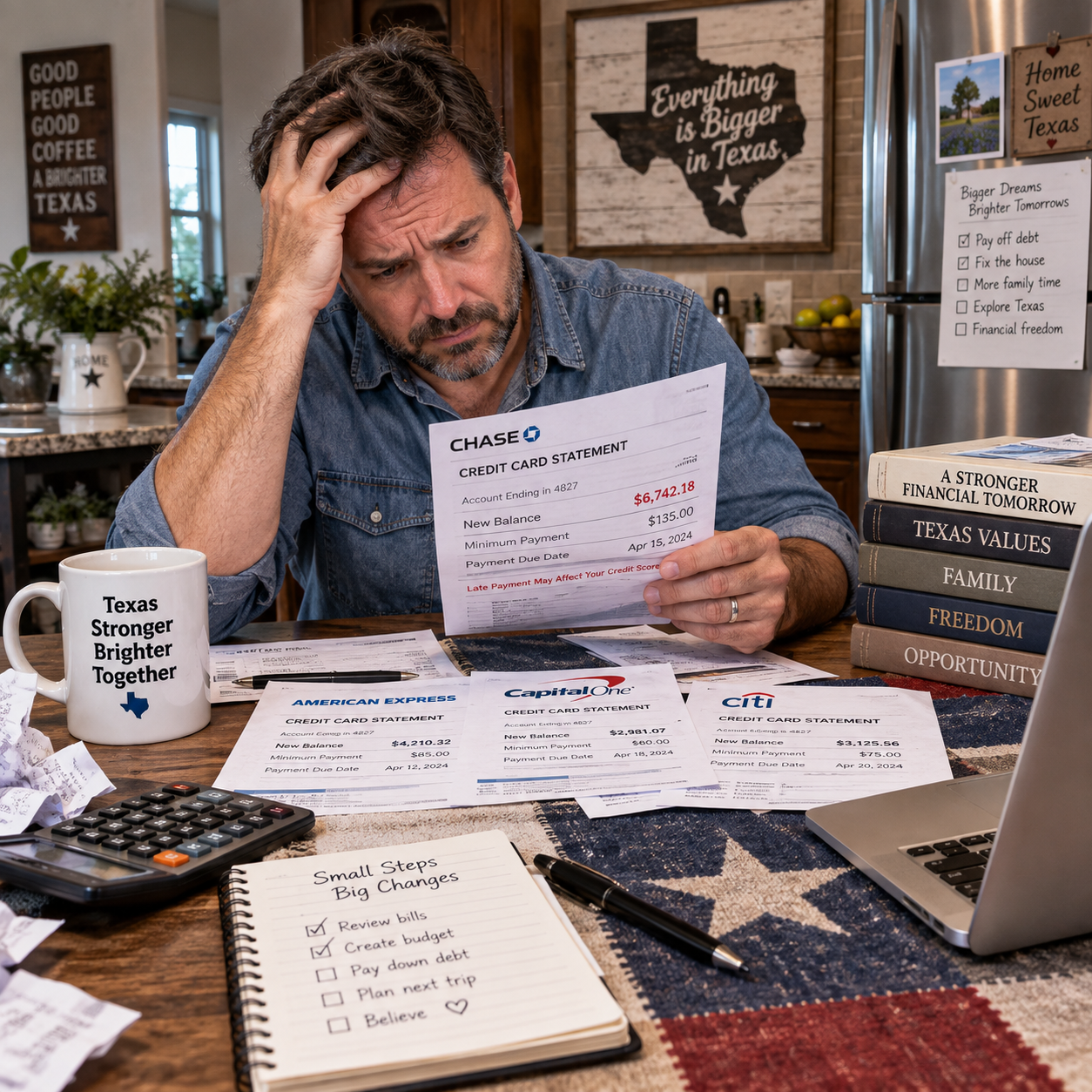
If you've watched your credit card balance creep up month after month while your paycheck stays flat, you're not imagining things. Across Texas, interest rates on revolving credit have stayed stubbornly high heading into 2026, and everyday costs—groceries, gas, insurance premiums—haven't given anyone much breathing room. I've talked to folks in Houston, Dallas, and San Antonio who did everything 'right' and still watched minimum payments balloon into something unmanageable. This guide walks through what debt settlement actually is, the negotiation tactics that work, and how to settle unsecured debt in Texas without ever stepping into a bankruptcy courtroom. 2026 is shaping up to be a critical year to act, because waiting rarely makes credit card debt smaller.
Understanding Credit Card Debt in Texas Today
Texas has always had a complicated relationship with debt. It's a state with no personal income tax, generous homestead protections, and a culture of self-reliance—yet credit card balances among Texas households have climbed alongside national trends. Rising APRs, some sitting north of 24-28% for consumers with average credit, mean that even disciplined budgeters can find themselves losing ground. Add inflation pressures on housing and utilities, and it's no surprise that more Texans are searching for alternatives to bankruptcy this year.
Why Texans Are Turning to Debt Settlement
Debt settlement has surged in popularity because it offers something bankruptcy doesn't: a way to resolve debt while keeping more control over the process and your public record. Bankruptcy stays on a credit report for up to 10 years and can complicate things like renting an apartment or getting certain jobs. Settlement, while still damaging to credit in the short term, tends to be a faster route back to financial stability for people whose debt is primarily unsecured—think credit cards, medical bills, and personal loans—rather than tied to a house or car.
What Is Debt Settlement and How Does It Work?
Debt settlement is the process of negotiating with a creditor to pay less than the full balance owed, usually as a lump sum, in exchange for the account being marked 'settled' rather than pursued further. The general process looks like this: you (or a company acting on your behalf) stop paying creditors directly and instead save money into a dedicated account. Once enough funds accumulate, negotiations begin, often after the account has fallen behind or been charged off. The creditor accepts a percentage of the balance—commonly 40-60%—and the account is closed.
This is different from debt consolidation, where you take out a new loan to pay off multiple debts at full value, and from credit counseling, where a nonprofit agency helps you set up a structured repayment plan without reducing what you owe. Settlement is the only one of the three that actually reduces the principal balance.
Debt Settlement vs. Bankruptcy in Texas
Chapter 7 bankruptcy can discharge debt in a matter of months, but it comes with a steep credit score hit, potential loss of certain non-exempt assets, and a public record that lingers for a decade. Debt settlement typically takes 24-48 months to complete, involves a moderate credit dip during the process, but the record clears sooner and you avoid a bankruptcy filing altogether. For unsecured debts like credit cards and medical bills, many Texans find settlement strikes a better balance between debt relief and long-term financial reputation.
How to Settle Unsecured Debt in Texas Without Filing Bankruptcy
The actual process of settling debt isn't complicated, but it does require discipline and a clear strategy. Start by listing every unsecured debt you owe—balances, interest rates, and which accounts are current versus delinquent. Prioritize accounts that are closest to charge-off status, since creditors are often more willing to negotiate once they've written off an account as a loss internally.
Next, calculate a realistic settlement offer. Most creditors won't accept less than 30-40% of the balance, though older, charged-off debts can sometimes be settled for even less. When you're ready to reach out, contact the creditor or collection agency directly, state your hardship honestly, and propose a lump-sum payment. Always request any agreement in writing before sending money—verbal promises from a collector mean nothing if the account gets sold to another agency.
Because the debt relief industry has its share of bad actors, it's worth doing homework before trusting any company with your money. The Texas Tribune published a thorough breakdown on how to settle unsecured debt in Texas, comparing legitimate programs against ones that overpromise. It's a good starting point if you're weighing DIY negotiation against hiring professional help.
DIY Negotiation Tips
- Lump-sum offers work best. Creditors are far more likely to accept a reduced payoff if you can pay it all at once rather than in installments.
- Write a hardship letter. Briefly explain your financial situation—job loss, medical bills, divorce—and why you can't pay the full balance.
- Ask for 'pay for delete.' Some collectors will agree to remove the negative mark from your credit report entirely in exchange for payment, though this isn't guaranteed and creditors are increasingly reluctant to agree to it.
- Time your calls around charge-off status. Debts that have been charged off (typically after 180 days of non-payment) are often sold for pennies on the dollar to collection agencies, giving you more negotiating leverage.
Working With a Debt Settlement Company
Hiring a debt settlement company makes sense if you're juggling multiple accounts, feel overwhelmed negotiating directly, or simply don't have the time to manage the back-and-forth. Legitimate companies typically charge a fee based on a percentage of the debt enrolled or the amount saved—usually 15-25%—and shouldn't ask for large upfront payments before any settlement is reached. Before signing anything, verify the company is registered to operate in Texas, check their Better Business Bureau rating, and read recent customer reviews. Reviewing the Texas Tribune's comparison of vetted debt relief companies can save you from wasting months (and money) with a firm that isn't operating in good faith.
Common Mistakes to Avoid When Settling Debt
Debt settlement can go sideways quickly if you're not careful. Some of the most common mistakes I see include:
- Stopping payments without a savings plan in place, leaving you exposed to collection calls with no funds to negotiate.
- Ignoring the risk of a lawsuit—creditors in Texas can and do sue over unpaid credit card debt, and ignoring a summons can result in a default judgment.
- Accepting a verbal settlement agreement instead of getting it in writing before paying.
- Falling for companies that demand large upfront fees before doing any actual negotiation—this is illegal under federal law for most debt settlement services.
- Forgetting about tax implications. Forgiven debt over $600 typically triggers a 1099-C form, and that forgiven amount may be considered taxable income by the IRS.
Texas-Specific Legal Protections and Considerations
Texas offers some of the strongest debtor protections in the country, which can actually work in your favor during negotiations. The state's homestead exemption protects your primary residence from most unsecured creditors, and Texas law also exempts a significant amount of personal property, retirement accounts, and even a portion of wages from garnishment for consumer debt (with some exceptions like child support or taxes). The statute of limitations on credit card debt in Texas is four years, meaning creditors generally can't successfully sue you for debt older than that—though they can still attempt to collect or report it. Understanding these protections gives you more confidence and leverage when negotiating, since creditors know their legal options are more limited here than in other states.
Rebuilding Credit After Debt Settlement

Once your accounts are settled, the real work of rebuilding begins. Start by pulling your credit reports from all three bureaus and disputing any inaccuracies—settled accounts should be reported correctly, and errors are more common than you'd think. From there, consider a secured credit card to start building positive payment history, and make every payment on time going forward. Most people see meaningful credit score recovery within 12-18 months of completing settlement, especially if they keep credit utilization low and avoid opening too many new accounts at once.
Conclusion
Credit card debt doesn't have to end in bankruptcy court. For many Texans facing unsecured debt in 2026, settlement offers a realistic, faster path back to financial stability—provided you go in with a clear strategy, realistic expectations, and a healthy skepticism toward companies promising overnight miracles. Whether you negotiate directly with creditors or work with a vetted settlement company, the key is making an informed decision and taking that first step instead of letting the debt grow another month. Financial freedom is possible, and for a lot of Texans, it starts with a single phone call to a creditor.


